Tag Archives: Transportation

Public Transportation in Miami: Fares, Routes and Free Rides

Miami is a driving city, but you can cover a surprising amount of it without a car. Miami public transportation is built around four pieces: Metrorail, the free Metromover, Metrobus, and free city trolleys. Add two regional trains and you can reach the airport, downtown, the beach and the neighboring counties.

This guide explains what each one does, what it costs, and when it makes sense to rent a car anyway. Fares and hours were checked against Miami-Dade County sources in October 2026.

Fares at a glance

ServiceFare
Metrorail$2.25 per trip
Metrobus$2.25 per trip
MetromoverFree
City trolleysFree
1-Day Pass$5.65
7-Day Pass$29.25
1-Month Pass$112.50

The easiest way to pay

You do not need a transit card. Tap a contactless Visa, Mastercard or American Express card, or a phone or watch with Apple Pay, Google Pay, Samsung Pay or Fitbit Pay, at the Metrorail gate or bus farebox.

Tapping also gets you fare capping. Once you have paid $5.65 in a day, the rest of your Metrorail and Metrobus rides that day are free. That is the price of a day pass, without having to buy one.

Three rules to keep the cap working:

  • Use the same card or device all day. A phone and a watch linked to the same card count as two different riders.
  • Each rider needs their own card or device.
  • Some cards issued outside the United States may not be accepted. Have a backup.

If you prefer a transit card, an EASY Card costs $2 and can be loaded with cash value or passes at station vending machines. Transfers between bus and rail are free with an EASY Card or EASY Ticket. Riders paying cash on the bus pay the full fare each time they board.

Full details are on the county’s transit fares page.

Metrorail

Metrorail is the elevated train. It runs from 5 a.m. to midnight, seven days a week, on two lines that share most of their track:

  • Green Line. From Palmetto in the northwest, through downtown, to Dadeland South.
  • Orange Line. From Miami International Airport, through downtown, to Dadeland South.

Useful stops for visitors include Government Center (downtown), Brickell, Vizcaya, Coconut Grove, and University (for the University of Miami).

Weekend change. On Saturdays and Sundays the Orange Line runs only as a shuttle between the airport and Earlington Heights, every 15 minutes. Change there for a Green Line train to downtown.

Parking at Metrorail stations costs $4.50 a day, which makes park-and-ride into downtown far cheaper than a downtown garage. Bikes are allowed on trains.

See the county’s Metrorail page for maps and schedules.

Metromover

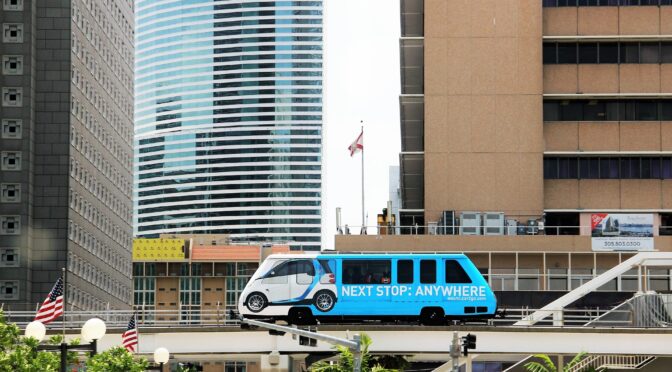
The Metromover is a free, driverless train that loops through downtown and Brickell. It is the most useful piece of the system for visitors, and it costs nothing.

  • 21 stations on three loops: Inner (downtown), Omni (north to the Arsht Center area) and Brickell (south).
  • Hours: 5:30 a.m. to 10 p.m., seven days a week.
  • Frequency: every 90 seconds at rush hour and every three minutes the rest of the day.

It reaches Bayside Marketplace, the Kaseya Center, Miami Dade College and Brickell City Centre, and it connects with Metrorail at Government Center and Brickell.

The county is upgrading the system, which sometimes means weekend closures on one loop. Check the Metromover page for notices.

Metrobus

Metrobus fills in everywhere the trains do not go, including Miami Beach, which has no rail service.

The route most visitors need is the Miami Beach Airport Express (Route 150). It runs every 30 minutes from 6 a.m. to 11:40 p.m., seven days a week, between the airport’s Metrorail station and Miami Beach, from 41st Street down to South Pointe Drive. The fare is the standard $2.25.

In South Dade, the Metro Express bus rapid transit line now runs between Homestead and the Dadeland South Metrorail station.

Use the county’s trip planner or the GO Miami-Dade Transit app for routes and real-time arrivals.

Free trolleys

The City of Miami and the City of Miami Beach each run free trolleys that work as neighborhood circulators. Miami’s routes reach Little Havana, Wynwood, Coconut Grove and the bayfront. Miami Beach’s four routes run the length of the island from 8 a.m. to 11 p.m. daily.

They are separate systems with separate schedules. Our guide to the free trolleys in Miami and Miami Beach covers every route.

Regional trains: Tri-Rail and Brightline

  • Tri-Rail is the commuter train linking Miami-Dade, Broward and Palm Beach counties. It stops at the Miami airport station and at Fort Lauderdale’s airport station, and connecting trains run into MiamiCentral station downtown. Weekday fares are based on distance. Weekends and holidays are a flat $5 for the day.
  • Brightline is the faster, pricier intercity train from MiamiCentral to Aventura, Fort Lauderdale, Boca Raton, West Palm Beach and Orlando.

Metrorail connects with both: Brightline at the Historic Overtown/Lyric Theatre station, and Tri-Rail at the Tri-Rail station on the Green Line and at the airport.

Getting from Miami airport without a car

Everything starts with the MIA Mover, a free train from the terminal to the Miami Intermodal Center. Find it on the third level, between the Dolphin and Flamingo garages.

Going toHowCost
Downtown or BrickellMetrorail Orange Line to Government Center or Brickell$2.25
Miami BeachRoute 150 Miami Beach Airport Express$2.25
Coconut GroveOrange Line to Coconut Grove station, then the free trolley$2.25
Fort Lauderdale or Palm BeachTri-Rail from the airport stationVaries by distance
PortMiamiOrange Line, Metromover, then the free Coral Way trolley$2.25

Cruise passengers should read our guide to getting to PortMiami from the airports first, since that trip has a few catches.

When transit works, and when to rent a car

Transit works well for:

  • Downtown, Brickell and the bayfront, where the Metromover is free and frequent.
  • South Beach, once you are there. The trolley and your feet cover it.
  • Coconut Grove, Coral Gables and South Miami along the Metrorail line.
  • Airport trips to downtown or the beach.

A car is the better choice for:

  • The Everglades, the Keys and most beaches outside Miami Beach.
  • Trips late at night, after the Metromover and trolleys stop.
  • Families with a lot of luggage, or anyone on a tight schedule.
  • The western and southern suburbs, where service is thin.

Many visitors do both: transit for the days downtown and on the beach, and a rental for a day or two of exploring. If you rent, our guides to the MIA Rental Car Center, rental car tolls and Miami Beach parking will save you money.

Frequently asked questions

How much does public transportation cost in Miami?

Metrorail and Metrobus are $2.25 a ride, capped at $5.65 a day when you tap the same contactless card. The Metromover and the city trolleys are free.

Is the Metromover free?

Yes. The Metromover is free for everyone, every day, with no ticket needed.

Can I pay for Miami transit with my phone?

Yes. Metrorail gates and Metrobus fareboxes accept Apple Pay, Google Pay, Samsung Pay and Fitbit Pay, as well as contactless Visa, Mastercard and American Express cards.

Does Metrorail go to Miami Beach?

No. Take Metrobus, such as Route 150 from the airport, or a rideshare. Once on the beach, the trolley is free.

Does Metrorail go to the airport?

Yes. The Orange Line ends at the Miami International Airport station, a short free MIA Mover ride from the terminals.

Is public transportation in Miami accessible?

Trains, buses and trolleys are wheelchair accessible. The county also runs Special Transportation Service, a door-to-door paratransit service for eligible riders, at $3.50 a trip.

The bottom line

For a visit centered on downtown, Brickell and the beach, Miami public transportation is cheap and good enough to skip the rental car, especially with the free Metromover and trolleys. For anything farther out, plan on a car for at least part of the trip.

Fares and schedules were checked against Miami-Dade County, City of Miami and City of Miami Beach sources in October 2026. They change, so confirm before you travel.

Miami’s Hidden Gems Off-the-Beaten-Path Attractions for New Residents

Miami, the sun-kissed jewel of Florida. For many, the very mention of the city conjures images of sun-drenched shores, the rhythmic beats of salsa, and the tantalizing aroma of Cuban cuisine wafting through the air. It’s a city where modernity meets tradition, where the serene embrace of its beaches contrasts the energy of its bustling streets. Tourists from across the globe are drawn to its vibrant palette eager to experience its world-renowned destinations. But for those willing to venture a bit further and truly explore Miami, there is so much more to experience. Tucked away from the frenzied avenues and beyond the splashy billboards lie treasures lesser-known but equally enchanting. These are Miami’s hidden gems. Specifically designed for new residents and the perpetually curious, this guide aims to unveil these lesser-known wonders, showcasing the multi-dimensional allure of this ever-evolving city.

Why Explore Off-the-Beaten-Path Attractions?

The allure of Miami’s famed beaches and nightlife is undeniable. However, there’s a profound satisfaction in venturing off the mainstream path. By stepping away from the regular haunts, you encounter the essence of the city. Delving into these hidden corners, you uncover unique sights and experiences and connect deeply with the local community and its traditions. You are familiarized with Miami’s essence by interacting with locals and embracing offbeat attractions.

This sentiment is echoed by Eagle Moving Group, who often tell clients who consider moving to a new city to explore beyond the obvious attractions. They believe that to find out if you want to move somewhere new truly, one must venture off the beaten path and connect with the city’s authentic character. This approach generally enhances your understanding and helps you make an informed decision.

The Hidden Beaches

Virginia Key Beach: This gem, with its golden sands and rhythmic waves, is steeped in history. Once designated for the African-American community during segregation, it is now a beacon of change and resilience. Today, families gather here, celebrating the beach’s storied past while making new memories under the sun. Away from the crowds at South Beach, Virginia Key offers solace and reflection.

Crandon Park Beach: Located on the picturesque Key Biscayne, Crandon Park Beach is another of Miami’s pristine retreats. Unlike its more popular counterparts, Crandon Park exudes a tranquil ambiance. Palm trees sway gently in the breeze while children gleefully collect seashells, and picnics are a common sight. Its family-friendly vibe and an array of nearby amenities make it a preferred choice for those seeking a peaceful day out.

Cultural Discoveries

The Barnacle Historic State Park: In the heart of Coconut Grove lies a property that takes you back in time. The Barnacle, Miami’s oldest home, is a testament to a bygone era. This historic site, built in the late 19th century by Commodore Ralph Middleton Munroe, offers guided tours while bringing the city’s yesteryears alive. Walking the grounds, you’re transported to an older, simpler Miami.

Cubaocho Museum & Performing Arts Center: Little Havana is the epicenter of Cuban heritage. And at the heart of this vibrant neighborhood is Cubaocho. More than just a museum, it’s a living celebration of Cuban culture. With its vast collection of art, continuous musical performances, and spirited dance events, Cubaocho is a sensory treat. Dive deep into the rhythms and hues of Cuba without leaving Miami’s shores.

A seasoned shrimp dish

Unique Eateries Away from the Crowds

Versailles Restaurant in Little Havana: Miami boasts a rich culinary scene, but few places capture its Cuban essence like Versailles. Established in 1971, this iconic restaurant has become a cultural institution. With its checkered floors, ornate mirrors, and delicious aromas wafting from the kitchen, Versailles promises an authentic Cuban dining experience. Whether savoring a classic ‘Ropa Vieja’ or sipping their legendary coffee, you’re in for a treat.

Blue Collar: In the historic MiMo district, Blue Collar is a culinary delight. This cozy diner’s relaxed atmosphere promises comfort food with a gourmet twist. The menu is diverse, reflecting the multicultural essence. Every dish is crafted with love and passion, from savory shrimp and grits to hearty braised meats. Blue Collar celebrates food’s ability to bring people together.

Person holding a clapperboard

Offbeat Arts and Entertainment

The Wynwood Walls: Wynwood has garnered international acclaim for its amazing street art, but the tales behind these murals truly captivate. Each painting is a canvas of emotions, narratives, and dreams. Local and international artists converge here, leaving masterpieces evolving with time. With its medley of colors and themes, the Wynwood Walls remains a testament to the power of creative expression. Truly, it’s one of Miami’s hidden gems.

O Cinema: In an age of mega cinema chains, O Cinema stands apart. Located in Wynwood, this independent movie house champions films that might otherwise go unnoticed. It’s a haven for cinephiles, offering an eclectic mix of indie films, documentaries, and foreign movies. Beyond just screenings, O Cinema fosters discussions, workshops, and community events, making cinema an interactive experience.

Miami’s Hidden Gems in the Nature

Fairchild Tropical Botanic Garden: Fairchild is a lush oasis amid the urban sprawl. This garden, of  83 acres,  is home to a staggering array of tropical plants. From rare orchids to magnificent palms, nature’s wonders are fully displayed. The butterfly conservatory’s myriad colors and species are a particular highlight. As you stroll through, you’re enveloped in nature’s embrace, making city life seem miles away.

The Secret Woods Nature Center: A sanctuary for nature enthusiasts, this center is a testament to Florida’s rich biodiversity. Wander through its trails, and you’re greeted by chirping birds, rustling leaves, and the gentle hum of wildlife. The serene surroundings, coupled with the educational exhibits, make The Secret Woods a delightful retreat.

Aerial view of the coast in Miami

In Conclusion

As our exploration of Miami’s lesser-known attractions concludes, one thing becomes abundantly clear. Miami, in all its glory, offers a spectrum of experiences. Its essence is captured in the famed Art Deco buildings, sun-soaked beaches, and these tucked-away corners. Miami’s hidden gems are its heartbeat. They offer authenticity, charm, and a sense of discovery. Whether you’re a resident or a visitor, these gems await your curious footsteps.

Guide to Exploring Miami’s Street Art Scene

With its reputation for sun-soaked beaches, electrifying nightlife, and a melting pot of cultures, Miami boasts an equally captivating and vibrant street art scene. This colorful side of the city is a treasure trove waiting to be discovered. For culture enthusiasts and those new to town and looking for interesting things to do in Miami, exploring Miami’s street art scene will open up a world of vibrant murals, thought-provoking graffiti, and intricate stencils. This comprehensive guide will act as your trusted advisor, taking you on a journey through the city’s streets to reveal its rich, diverse, and compelling tapestry of street art.

A Brief History of Miami’s Street Art

The city’s vibrant street art scene, a dazzling display of colors, creativity, and personal expression, has an intriguing history. The origins trace back to the 1980s, sprouting from the hip-hop culture that enveloped the nation. Over time, the scene has transformed, drawing from the diverse cultural influences that make Miami a unique melting pot. It has become an integral part of the city’s identity, with murals adorning the cityscape at every turn.

What is Street Art?

Street art, often misunderstood as simple graffiti, is a complex, multifaceted form of artistic expression. One must understand its various styles and forms to truly appreciate and savor the experience of exploring Miami’s street art scene. It’s about vivid murals, intricate stencils, fascinating installations, and mind-bending 3D art. Recognizing the differences, understanding the hidden messages, and appreciating the subtle textures can enrich your street art exploration.

Moving to Miami

The allure of Miami’s vibrant street art scene can be captivating enough to make you consider calling this city home. For new residents, the sight of colorful murals and stunning graffiti that adorn their neighborhoods offers a welcome unlike any other. As a local, you’ll have unlimited access to this constantly evolving urban gallery, making every day a new opportunity to discover a fresh piece of art or watch an artist at work. Therefore, you shouldn’t hesitate to hire long-distance movers and relocate here. These professionals will help you settle in Miami with ease and start enjoying life in this vibrant city as soon as possible.

Districts Not To Miss: Hotspots of Street Art

Wynwood Walls

Wynwood Walls stands as an emblem of the city’s dynamic street art scene. This extraordinary open-air museum, born from the vision of real estate developer Tony Goldman, boasts an ever-changing exhibition of giant murals. Garnering international acclaim, it draws artists from around the globe, each adding their unique brushstrokes to the vibrant tapestry. From surreal landscapes to abstract masterpieces, Wynwood Walls houses a diverse collection that continues to evolve and inspire. Exploring these walls, you’ll embark on a visual journey that transcends boundaries, celebrating the power and spirit of street art in its most captivating form.

The Design District

The Design District, another must-visit area, seamlessly fuses luxury and art. Originally a furniture design hub, it has been transformed into a high-end shopping mecca interspersed with large-scale, awe-inspiring murals. A walk through this district treats visitors to a visual feast – from striking architecture to avant-garde sculptures and vibrant street art. World-class designer stores stand shoulder-to-shoulder with trendy art galleries, creating a unique cultural milieu. The streets are adorned with striking murals and installations, making the Design District a haven where the allure of high fashion meets the authenticity of urban art.

Little Havana

The city’s vibrant Cuban heart, Little Havana, offers a distinct, immersive cultural experience. This neighborhood’s street art scene reflects its rich Latin American heritage, with murals depicting scenes from Cuban history, portraits of influential figures, and other vibrant Latino iconography. Exploring Little Havana’s street art provides a fascinating insight into the area’s history, struggles, and cultural identity. Visually stunning and emotionally poignant, these artworks narrate stories of migration and perseverance. To truly have a great holiday in this city, a walk through the history-laden streets of Little Havana, teeming with art, is an absolute must.

Street Art Events and Festivals

Street art in this city isn’t just about individual murals and graffiti. The city celebrates this vibrant art form through events and festivals. Miami Art Week, for instance, turns the city into a massive outdoor gallery, showcasing spectacular works from local and international artists. Art Basel, a pivotal event in the global art world, also features a variety of street art. The Wynwood Art Walk, a monthly event, offers another excellent opportunity to view new art and live painting sessions. Each event presents a unique perspective, further enriching your experience of Miami’s street art scene.

Two girls drinking at a street art festival

Street Art Tours

Consider embarking on a tour to experience the full spectrum of the city’s street art. Guided tours, led by local experts, can offer insider knowledge, reveal hidden gems, and explain the stories behind the art. Alternatively, if you prefer a more spontaneous journey, self-guided tours offer the freedom to explore at your own pace. Use a curated map or a dedicated app and wander through the vibrant districts, each filled with artistic treasures. Either way, these tours are invaluable in enriching your experience.

Street Art Etiquette

While it’s easy to get swept up in the allure of street art, it’s important to remember your role as a respectful observer. The works you’ll see are more than beautiful images – expressions of culture, identity, and social commentary. As such, it’s essential to treat them with respect. Don’t touch, deface, or vandalize these works. Instead, appreciate them for what they are: integral parts of the communities and the cultural fabric of Miami. Always remember – street art is to be respected, admired, and preserved for everyone to enjoy.

Street Art Photography

As you explore the thriving street art scene, you’ll likely be compelled to capture the striking visuals. Street art photography allows you to preserve and share these temporary masterpieces with others. Whether you’re an amateur with a smartphone or a seasoned photographer with professional equipment, the vibrant murals offer endless opportunities for creative shots. However, it’s important to remember that you must respect artist copyrights and local laws while capturing these artworks. Always attribute the artist where possible and refrain from commercial use without permission. Enjoy capturing, but remember to respect the art and its creators.

Street Art Photography As you explore the thriving street art scene, you'll likely be compelled to capture the striking visuals. Street art photography allows you to preserve and share these temporary masterpieces with others. Whether you're an amateur with a smartphone or a seasoned photographer with professional equipment, the vibrant murals offer endless opportunities for creative shots. However, it's important to remember that you must respect artist copyrights and local laws while capturing these artworks. Always attribute the artist where possible and refrain from commercial use without permission. Enjoy capturing, but remember to respect the art and its creators.

Plan for a Long Trip

Traveling, especially for art enthusiasts exploring a city’s cultural scene, often involves longer trips and days of moving around. If you’re in Miami to delve into its vibrant street art scene, you should make plans to stay for a while and be able to move around easily. Try to account for needs and expenses that may not come up on a usual vacation trip. For example, bestlongdistancemovers.com advises looking for a local storage unit to keep extra luggage safe without cluttering your hotel room. Additionally, you can plan your trip to encompass more than one street art-related event.

Conclusion on Exploring Miami’s Street Art

Exploring Miami’s street art scene is more than just a cultural adventure; it’s an immersive journey into the city’s heart. This experience weaves together the voices of diverse communities, transforms ordinary walls into storytelling canvases, and presents a visually stunning and thought-provoking encounter at every corner. Whether you’re a first-time visitor or an aspiring artist planning to make Miami your home, its street art scene will continually delight and surprise you. So step out, explore, and let the streets narrate their vibrant stories. In doing so, you’re not only discovering art but living the spirit of Miami itself.

5 Tips to Consider When Moving to Miami

Miami is a wonderful city to live and raise a family. From the rich history to the abundance of opportunity, the city is a top moving destination. However, it does have its unique qualities that take a bit of getting used to.

Fortunately, we have some excellent advice to help create a fun and easy acclimation to this great city.

Here are five tips for a smooth Miami move.

Stay Organized with Checklists

Moving is stressful. From planning to packing to driving, there is always something happening. Save yourself some of the burden and create a thorough moving checklist.

Be sure to start well in advance of your move date. You want to give yourself plenty of time to finish all the tasks. Every move is different, but there are always major aspects of a move essential to the task. Doing so in the right order will save you time, effort, and even money. 

Some of the most common moving tasks include:

  • Research: This is the time to learn about your destination. Look at school districts, crime statistics, and other important aspects of a city. Start this several months before the move.
  • Planning: Two months before the move, make a plan. Create a timeline for your move, including house repairs, utility shut-offs, and packing schedules.
  • Engagement: During the actual packing and moving, have a checklist to ensure your stuff stays safe. Color code your boxes, keep rooms together, and number each box for high visibility and easy monitoring.

To keep the family engaged, provide them with personalized checklists and schedules. Be sure to set them in charge of different sections of the checklist. Keep it fun and engaging, but on-task. Following a checklist ensures that everyone is ready when moving day arrives.

Learn About the Local Communities Before Moving

Miami and the surrounding communities are a unique gem of the country. Steeped in history and culture, there is plenty to take in. Don’t wait until you move to understand the soul of your new home. Get started early, even before the move.

Take the family on a roadtrip to Miami. Go to the several attractions around the area, and South Florida as a whole. Learn the stories and history of your new home, and get to know it a bit better. This helps the entire family feel at home much quicker. 

Moving to Miami also means moving to the nearly 40 unique communities of Greater Miami. There is much to learn and discover, and not nearly enough time before a move. Instead, focus on areas of importance. For instance:

  • Look for school systems that best match your child’s needs.
  • Discover the cultural hearts of the city, such as Little Haiti and Coral Gables.
  • Search for the high-traffic commerce centers to power your career, like Brickell and Key Biscayne.

If you can’t make a trip before the move, take the time and study the neighborhoods important to you. Take virtual trips and brush up on your cultural lessons. From Aventura to Wynwood, immerse yourself in the vast vibrancy of Miami; it will make the move easier.

Hone Your Spanish Skills

While you’re studying your future stomping grounds, set aside some time to learn basic Spanish. 

Miami is a city full of diversity. However, with more than 70% of the population identifying as Hispanic or Latino, Spanish is a handy language to understand. Indeed, many neighborhoods throughout the greater city area are Spanish hubs of the country.

The Cuban heritage is particularly vibrant within Miami. In fact, 60 percent of the Hispanic population in Miami are Cuban Americans. Such a rich heritage deserves immersion. Taking a stroll through Little Havana is much more fascinating when you understand the language around you. 

The rest of the city is no different. The language and the culture is rich throughout the entire community. From top restaurants to terrific parks, understanding Spanish unlocks tremendous opportunities for anyone living in Miami.

Look for Local Discounts

Moving is expensive, ranging from $900 to nearly $6,000 for out-of-state moves. Therefore, finding ways to save money is essential.

First, look for discounts. Military veterans, older adults, and teachers have many discounts to choose from, including:

  • Savings on professional packers and movers.
  • Truck rental discounts.
  • Recycled or low-cost packing supplies.

Consider finding ways to combine packing, like wrapping your dishware in soft clothing. Or, ask friends and family for unused boxes they might have. Any way to save money will help your move.

Prepare for the Weather

Miami has great weather—except for when it doesn’t. With a tropical climate, summers are comfortably hot, and winters are perfect. However, the yearly monsoon season brings heavy storms and hurricanes. In other words, Miami has some crazy weather.

Moving to the area may be a bit of a shock for those unused to the weather. The high humidity all but requires a home with an air conditioner. And get used to humidity. 

You should also prepare for power loss from storms. Backup generators provide some help but have a plan in case of hurricanes and flooding.

Miami has a beautiful climate. Just be sure to take the time and get used to the common local signs of changing weather. It will help you stay prepared for sudden offshore storms.

Final Thoughts

Miami is a great place to live and raise a family. Moving to the area is exciting and worthy of celebration. Still, we researched these tips to ensure your move is smooth and as painless as possible.

Start an organized checklist for every step of the move—and follow it! Take trips to study the local areas before you move. Brush up on your Spanish for the best Miami experience. Look for discounts on packers, movers, and trucks to reduce some costs. Lastly, make sure you’re ready for Miami’s weather. An umbrella is always handy in South Florida. 

Things To Consider When Moving To Another State

Things To Consider When Moving To Another State

Changing locations is tricky business.  There are so many things to think about to make moving as smooth as possible.  It may be less of a hassle when you just have to move houses within the city.  You do not have to look for new schools for the kids and think about state taxes.  But the difficulty begins when you need to transfer to a totally new state.

Aside from the adjustment that you yourself has to make, you also have to consider how your family can cope with all the changes.  Say you are currently living in Miami, Florida and you have to transfer to the other end of the country, say Berkeley, California.  Before you can start with the detailed plans, you have to browse through Berkeley real estate sites to get a good idea on potential residential areas.  You also have to consider your budget, its proximity to business centers and many more.

But when planning is done right, your impending move might not become so overwhelming.  The key is to get all the significant information to help you come up with a good moving out plan.  Here are some things that you need to consider when moving to another state.  You may want to note these helpful guidelines to make your transfer hassle-free and systematic.

Find Affordable Places

When your reason for moving out is personal, you will have the opportunity to look for places that fall within your budget.  Find towns and cities where the cost of living is within your means.  You may want to check sites like www.oaklandrealestate.org where you will be able to look for houses with your desired price range.

Also consider the average salary that you will earn and how far you can stretch it out.  If your job sent you for relocation then your transfer may be a little easier since your company may help you with your settlement.

Hire Reliable Moving Companies

The effort in getting your stuff transferred from one place to another is no joke, especially when moving across the country.  Before selecting a moving company, sort your possessions thoroughly.  Get rid of all the things that you do not need by giving them away or by organizing a garage sale.  Aside from saving money you will not deal with needless stuff in your new place.

When you are ready to contact a moving company, do a background check first.  Read reviews from other people.  Also check the contract and ask about insurance before signing.

Know State Taxes Information

The state income tax can have a great impact when you relocate to a new state.  Property tax and sales tax will also vary and you should have a know-how on how to deal with these.  Just weigh the real pros and cons first as you evaluate the tax tables and this might help you in making your decisions.

Look for Schools for the Kids

You can start doing this by doing research online.  There are helpful sites that can give factual information about the school’s environment, student-teacher ratio as well as enrollment by gender, cultural background and the like.

Miami Transportation Services: Every Way to Get Around

Miami has more ways to get around than most visitors expect: two rail systems run by the county, free trolleys, two regional trains, taxis, ride apps, rental cars and shared bikes. The trick is knowing which one fits the trip in front of you.

This overview covers each service, what it costs and when to use it, with links to our detailed guides. Fares and rates were checked against official sources in October 2026.

Miami transportation at a glance

ServiceBest forCost
MetrorailAirport, downtown, Brickell, Coconut Grove, Coral Gables$2.25 per trip
MetromoverGetting around downtown and BrickellFree
MetrobusMiami Beach and everywhere rail does not go$2.25 per trip
City trolleysShort hops within Miami and Miami BeachFree
Tri-RailFort Lauderdale and West Palm BeachBy distance on weekdays, $5 flat on weekends
BrightlineFast trips to Fort Lauderdale, West Palm Beach and OrlandoVaries by train
TaxiAirport and port trips, late nightsMetered
Ride appsDoor-to-door trips anywhereVaries with demand
Rental carEverglades, Keys, suburbs, day tripsDaily rate plus fees

Public transit

Miami-Dade Transit runs the core of the system.

  • Metrorail is the elevated train, with a line from the airport and a line from the northwest suburbs that meet and run through downtown to Dadeland South. It operates from 5 a.m. to midnight.
  • Metromover is a free automated train that loops through downtown and Brickell.
  • Metrobus covers the rest of the county. Route 150, the Miami Beach Airport Express, links the airport with Miami Beach.

You can pay by tapping a contactless bank card or phone at the gate or farebox. Fares are capped at $5.65 a day when you use the same card or device.

The City of Miami and the City of Miami Beach also run free trolleys on neighborhood routes. They are separate systems with their own maps and hours.

Read more: Public transportation in Miami: fares, routes and free rides and Free trolleys in Miami and Miami Beach.

Regional trains

  • Tri-Rail is the commuter train through Miami-Dade, Broward and Palm Beach counties. It stops at the Miami airport station and at Fort Lauderdale’s airport station.
  • Brightline is the faster intercity train from MiamiCentral station downtown to Aventura, Fort Lauderdale, Boca Raton, West Palm Beach and Orlando.
  • Amtrak runs long-distance trains north from its Miami station.

Taxis

Taxis are easiest to find at the airport, the cruise port, major hotels and taxi stands in busy areas. Elsewhere, call or book ahead.

Miami-Dade County sets the meter rates:

  • $2.95 for the first sixth of a mile
  • $0.85 for each additional sixth of a mile up to one mile
  • $0.55 for each sixth of a mile after that
  • $0.40 per minute of waiting time

Trips that start at Miami International Airport add a $2 airport fee and have a $15 minimum. SUVs and vans may charge 30 percent above the meter. At the airport, use the official taxi stands outside baggage claim on the arrivals level and ignore anyone offering a ride inside the terminal. The airport posts current rates on its taxi page.

Ride apps

Uber and Lyft operate throughout the county and are usually the simplest way to go door to door. At the airport, pickups are on both the arrivals and departures levels, and the app shows the door number.

Prices rise with demand. Expect higher fares on weekend nights in South Beach, on cruise mornings, after big events and during heavy rain. If the quote looks high, compare it with a metered taxi.

Rental cars

A car is the right tool for the Everglades, the Keys, the suburbs and any day with several stops. In South Beach and downtown it can be more trouble than it is worth, because parking is expensive and limited.

If you rent, these guides will save you money:

New to the roads here? Start with Driving in Miami: 7 Fast Facts You Need to Know.

Private cars and limousines

For weddings, corporate travel or a group heading to the port, a pre-booked car service gives you a fixed price and a driver who is waiting when you arrive. Book with a licensed company, get the total in writing including tolls and gratuity, and confirm the pickup spot.

Related reading: Miami airport luxury transportation and Special occasions call for special transportation.

Bikes

Citi Bike Miami has more than 160 stations across Miami and Miami Beach, available around the clock. It works well for short trips along the beach and through neighborhoods such as South Beach and Brickell. Ride in bike lanes where they exist and take extra care on the causeways.

Getting to and from the airport and the port

From Miami International Airport, the free MIA Mover connects the terminal to the Miami Intermodal Center, where you find Metrorail, Tri-Rail, buses and the Rental Car Center.

  • Downtown or Brickell: Metrorail Orange Line, $2.25.
  • Miami Beach: Route 150 Miami Beach Airport Express, $2.25, or a taxi or ride app.
  • PortMiami: A ride app or taxi is simplest. See how to get to PortMiami from the airports.

Accessibility

Miami-Dade’s trains, buses and trolleys are wheelchair accessible. The county also runs Special Transportation Service, a door-to-door paratransit service for eligible riders at $3.50 a trip, and wheelchair-accessible taxis are available on request at the airport.

Frequently asked questions

What is the cheapest way to get around Miami?

The Metromover and the city trolleys are free. Metrorail and Metrobus cost $2.25 a ride and no more than $5.65 a day when you tap the same card.

Do I need a car in Miami?

Not for a stay centered on downtown, Brickell and Miami Beach. You will want one for the Everglades, the Keys and most suburbs.

Are taxis or ride apps cheaper in Miami?

It depends on demand. Ride apps are often cheaper at quiet times and more expensive when demand surges. Taxis charge the same metered rate at any hour.

Is there a train from Miami airport to downtown?

Yes. The Metrorail Orange Line runs from the airport station to Government Center and Brickell.

The bottom line

Use the free Metromover and trolleys for short trips, Metrorail and Route 150 for the airport, a ride app or taxi late at night, and a rental car for the days you leave the city.

Fares and rates were checked against Miami-Dade County and Miami International Airport sources in October 2026. They change, so confirm before you travel.