Tag Archives: moving

Shopping Destinations and Boutiques to Explore After Moving to Miami

Welcome to Miami, where the shopping scene unfolds with new opportunities after your move. Discover dynamic shopping destinations and boutiques to explore after moving to Miami, which is known for its diversity and distinctiveness. From upscale boutiques gracing South Beach to hidden treasures nestled in Wynwood’s artistic streets, Miami presents many shopping experiences to discover. Get ready to roam the city’s eclectic shopping districts, where every turn reveals a unique find and offers a glimpse into Miami’s vibrant culture.

Overview of Miami’s Shopping Scene

The city offers a diverse and vibrant shopping scene, with something to offer every type of shopper moving to Miami. Miami is home to several distinct shopping districts, each with its unique charm and offerings. South Beach is perhaps the most iconic, known for its busy streets lined with high-end boutiques, trendy shops, and lively cafes. The Design District is a haven for luxury lovers, featuring upscale designer stores and art galleries amidst modern architecture and lush green spaces. 

On the other hand, Wynwood is a paradise for art enthusiasts and fashion-forward individuals, with its eclectic mix of boutiques, vintage shops, and street art galleries. In addition to these prominent districts, Miami offers local markets and artisanal shops where visitors can discover handmade crafts, fresh produce, and unique souvenirs. Whether you’re in search of luxury labels or one-of-a-kind finds, Miami offers a shopping experience like no other.

Woman shopping for shoes in one of the shopping destinations and boutiques to explore after moving to Miami

Relocation Help

Before you can fully immerse yourself in this cultural experience without the stress of relocation, consider enlisting the help of professional movers like Good Neighbors Moving Company. Established in 2013, they specialize in seamless residential and commercial moves, allowing you to focus on exploring Miami’s vibrant shopping scene. They ensure a smooth transition with licensed and insured movers, free quotes, and packing services. Visit goodneighborsmoving.com today for a free estimate and make your move to Miami a breeze, leaving you more time to indulge in the city’s unique offerings.

Top Shopping Destinations and Boutiques to Explore After Moving to Miami

Several standout destinations cater to various tastes and preferences in Miami. Here are some of the top shopping spots in the city:

  1. Lincoln Road Mall: Situated in South Beach, Lincoln Road Mall is a pedestrian-friendly strip filled with shops, eateries, and entertainment.
  2. Aventura Mall: One of the largest shopping malls in the US, Aventura Mall boasts over 300 luxury boutiques, department stores, and dining options.
  3. Bal Harbour Shops: Nestled in Bal Harbour, this open-air shopping center is renowned for its high-end designer boutiques and upscale dining collection.

These shopping destinations in Miami offer diverse experiences, from upscale luxury shopping to eclectic street art exploration, ensuring that there’s something for every shopper to enjoy.

Boutique Shopping

Boutique shopping in Miami offers a refreshing departure from the ordinary, drawing in those with a desire for one-of-a-kind discoveries and personalized attention. These intimate stores, scattered across neighborhoods like South Beach, Wynwood, and Coconut Grove, boast carefully curated collections that reflect the city’s vibrant culture and individual style preferences. Whether designer fashion at The Webster in South Beach or eclectic handmade jewelry at Frangipani in Wynwood, each boutique promises a unique shopping experience where shoppers can unearth treasures not found in conventional retail outlets.

Two women holding shopping bags and talking

In the cozy confines of Coconut Grove’s GreenStreet Café & Boutique or the artisanal haven of Coral Gables’ Bazaar Project, visitors are treated to more than just shopping; they’re invited into a world of creativity and community. With a blend of trendy fashion, locally made goods, and personalized service, Miami’s boutique scene invites exploration and discovery, promising hidden gems for those willing to seek them out amidst the city’s diverse neighborhoods.

Local Markets and Artisanal Shops 

One of the shopping destinations and boutiques to explore after moving to Miami is the lively scene of local markets and artisanal shops. This is where residents can discover unique treasures while supporting the city’s talented artisans. These vibrant spots showcase Miami’s creative community and provide a glimpse into the city’s cultural richness. 

Take, for instance, the Coconut Grove Organic Market, a weekly gathering in the historic Coconut Grove neighborhood. Here, visitors can browse through a delightful array of fresh produce, handmade crafts, and artisanal goods while enjoying live music and organic treats, fostering a sense of community and sustainable living.

Discovering the treasures of Miami, like the Upper Buena Vista Artisanal Village in the Buena Vista neighborhood, is an exciting prospect after a move. This enclave is a vibrant hub of boutiques, art galleries, and outdoor spaces showcasing the talents of local artists and designers. Upper Buena Vista offers an authentic haven for those seeking locally made treasures, from handcrafted jewelry to artisanal skincare products and gourmet delights.

Insider Tips for Shopping in Miami

When navigating Miami’s lively shopping scene, newcomers can enhance their experience with practical tips. To avoid crowds and Miami’s tropical climate heat and enjoy a more leisurely shopping trip, consider exploring the city’s retail destinations during weekday mornings. Opting for public transportation or rideshare services can ease the parking hassle, particularly in popular areas like South Beach and Wynwood.

Happy woman holding up shopping bags and walking

For savvy shoppers looking to score deals, exploring local markets and smaller boutiques can lead to unique finds at budget-friendly prices. Additionally, outlet malls like Sawgrass Mills offer various designer labels at discounted rates. Beyond the tourist hotspots, neighborhoods like Little Havana, Coral Gables, and the MiMo District boast hidden shopping treasures waiting to be discovered. From quaint boutiques to vintage shops, these areas offer a glimpse into Miami’s diverse culture and provide an authentic shopping experience away from the crowds. 

Enjoy Shopping Destinations After Moving to Miami

Miami’s diverse shopping scene offers many experiences, from upscale malls to charming boutiques and vibrant local markets. We’ve discovered some of the top shopping destinations and boutiques to explore after moving to Miami. We also encourage you to explore beyond the tourist hotspots. Miami’s neighborhoods promise endless opportunities to discover unique treasures and immerse oneself in the city’s vibrant culture.

What First-Time Renters Can Expect When Moving to Miami

Renting in a new city, especially for first-timers, is exciting and uncertain. We are here to guide you through what to expect as first-time renters moving to Miami. Miami’s diverse culture, warm weather, and lively atmosphere attract renters from various backgrounds. Miami offers a vibrant lifestyle, from its stunning beaches to its thriving arts scene. Join us as we explore why Miami is an excellent choice for those starting fresh in a dynamic urban setting.

Understanding the Rental Market as First-Time Renters Moving to Miami

The average rent for an apartment in Miami is approximately $2,451 per month, with variations based on factors like location, size, and quality. The average apartment size in Miami is around 894 square feet, though this can differ depending on the unit type. Studio apartments, typically the smallest and most affordable, offer less space compared to one-bedroom, two-bedroom, or three-bedroom alternatives.

Tall apartment buildings where first-time renters moving to Miami often live, trees and bodies of water

Rent by Areas

Understanding the rental market trends is essential for first-time renters, especially those moving to Miami from a rural town. In Miami, the majority of households, about 70%, are renter-occupied.

For those seeking affordability, neighborhoods like Palmer Lake – Mia Station, Mays Gardens, and Ascot Park offer average rents below $1,700 per month. Conversely, areas like Brickell Key, Buena Vista, and Miami Design District boast higher rents, often exceeding $3,000 per month.

As we mentioned, Miami’s average rent is notably higher than that of other cities in Florida. This exceeds the averages of cities like Jacksonville, Tampa, Orlando, and Fort Myers. These figures highlight the importance of thorough research and budget planning when considering renting as first-time renters moving to Miami.

Climate and Weather

Miami experiences a tropical climate with two main seasons: a hot and wet season from May to October and a warm and dry season from November to April. Throughout the year, first-time renters moving to Miami can expect warm temperatures, high humidity, and frequent rainfall, especially during the wet season.

To prepare for Miami’s weather, you need to have lightweight and breathable clothing for hot and humid conditions. During the summer, staying hydrated and finding shade outdoors is crucial to avoid overheating. Renters should also be ready for hurricanes, which can happen between June and November. It’s important to have a plan in place and stock up on essentials like water, non-perishable food, and emergency supplies.

Transportation Options 

Miami residents have access to various transportation options, each offering unique benefits for navigating the city efficiently. Public transit, including buses and the Metrorail, provides cost-effective and environmentally friendly ways to travel throughout Miami, helping residents avoid traffic congestion and parking difficulties. 

Ridesharing services like Uber and Lyft offer convenient on-demand transportation, providing flexibility for reaching destinations inaccessible by public transit. Biking is also popular in Miami, thanks to the city’s extensive network of bike lanes and trails, allowing residents to enjoy cycling for health benefits while reducing their carbon footprint.

Man and woman biking around a neighborhood

To navigate Miami’s transportation system effectively, you should plan routes, utilize apps for real-time transit information, and consider alternative routes during peak times. Safety measures such as wearing helmets when biking and being aware of their surroundings are also important considerations for first-time renters looking to explore Miami’s vibrant urban landscape.

Neighborhood Diversity and Culture

Miami is home to various neighborhoods, each with its unique vibe. From the lively streets of Little Havana to the artsy scene of Wynwood, first-time renters moving to Miami have plenty to explore. Little Havana, known for its Cuban influence, offers colorful streets, tasty Cuban food, and fun festivals. Meanwhile, Wynwood is famous for its street art and galleries.

To dive into Miami’s culture, new residents can try different foods like Cuban dishes in Little Havana or fusion cuisine in Coconut Grove. Music is also a big part of Miami, with genres like Latin jazz and electronic beats. Plus, there are cultural events like Art Basel Miami Beach and the Calle Ocho Festival to enjoy.

In Miami, first-time renters can experience a mix of cultures, from the historic charm of Coral Gables to the lively vibes of Little Haiti. Renters can truly embrace all Miami offers by exploring these diverse neighborhoods and getting involved in local culture.

Safety and Security 

Safety and security are top priorities for renters, especially those new to Miami. While the city offers a vibrant lifestyle, take precautions to stay safe. Being aware of your surroundings and trusting your instincts is crucial. Stick to well-lit and populated areas, especially at night, to minimize the risk of crime. Coral Gables, Coconut Grove, and Kendall are excellent options for first-time renters seeking neighborhoods with low crime rates. These areas often have active community watch programs and robust police presence, enhancing safety for residents. Additionally, considering home and property security measures is wise. Renters can look for apartments with secure entrances, surveillance cameras, and alarm systems for added peace of mind.

To navigate Miami's transportation system effectively, you should plan routes, utilize apps for real-time transit information, and consider alternative routes during peak times. Safety measures such as wearing helmets when biking and being aware of their surroundings are also important considerations for first-time renters looking to explore Miami's vibrant urban landscape. Neighborhood Diversity and Culture Miami is home to various neighborhoods, each with its unique vibe. From the lively streets of Little Havana to the artsy scene of Wynwood, first-time renters moving to Miami have plenty to explore. Little Havana, known for its Cuban influence, offers colorful streets, tasty Cuban food, and fun festivals. Meanwhile, Wynwood is famous for its street art and galleries. To dive into Miami's culture, new residents can try different foods like Cuban dishes in Little Havana or fusion cuisine in Coconut Grove. Music is also a big part of Miami, with genres like Latin jazz and electronic beats. Plus, there are cultural events like Art Basel Miami Beach and the Calle Ocho Festival to enjoy. In Miami, first-time renters can experience a mix of cultures, from the historic charm of Coral Gables to the lively vibes of Little Haiti. Renters can truly embrace all Miami offers by exploring these diverse neighborhoods and getting involved in local culture. Safety and Security Safety and security are top priorities for renters, especially those new to Miami. While the city offers a vibrant lifestyle, take precautions to stay safe. Being aware of your surroundings and trusting your instincts is crucial. Stick to well-lit and populated areas, especially at night, to minimize the risk of crime. Coral Gables, Coconut Grove, and Kendall are excellent options for first-time renters seeking neighborhoods with low crime rates. These areas often have active community watch programs and robust police presence, enhancing safety for residents. Additionally, considering home and property security measures is wise. Renters can look for apartments with secure entrances, surveillance cameras, and alarm systems for added peace of mind.

In case of emergencies, make sure to familiarize yourself with local emergency services and have important contact numbers readily available. Furthermore, investing in renter’s insurance can provide financial protection in the event of theft or property damage. By staying vigilant, informed, and proactive about home security, first-time renters moving to Miami can enjoy their new environment with confidence and peace of mind.

Choosing the Right Moving Company for a Seamless Transition

Relocating to a new city, such as Miami, involves several key decisions, one of the most crucial being the selection of a reliable moving company. To help you with this task, choose a moving company that understands the unique challenges of city moving. The approach of the company Here & Now Movers serves as an excellent example of what to look for in a moving service. This family-operated moving and storage company is renowned for handling every aspect of a move with care, precision, and a strong commitment to exceptional service. 

When searching for a moving company for your transition to Miami, consider those that share similar values and standards. Look for companies with a strong track record, positive customer reviews, and a range of services that cater to your specific moving needs. A trustworthy mover can significantly reduce the stress of relocating, allowing you to focus on adapting to your new surroundings in Miami.

A First-Time Renter’s Adventure Begins

Starting your rental journey as first-time renters moving to Miami introduces you to a world of excitement and diversity. Understanding the rental scene, navigating transportation, and involving yourself in the local culture are necessary for a smooth transition. Explore different neighborhoods, prioritize safety, and embrace new experiences to make the most of your time in this vibrant city.

Beyond the Beach: Exploring Cultural and Recreational Activities After Moving to South Florida

There is much more than just beaches and waves in the water when moving to South Florida. It’s a center for entertainment and cultural events. The various opportunities to investigate beyond the beach are examined in this article. These encounters will enhance your life in central Florida. Be aware of these exciting choices before moving to Miami. They enhance the allure of being a resident in South Florida. There’s a world to discover, ranging from cuisine to art. Something is exciting and novel around every bend. Make the most of your relocation by embracing the way of life here.

Art Gems to Explore After Moving to South Florida

South Florida’s streets are a rich canvas, full of colors and creativity. After moving to South Florida, you’ll see this in places like Miami’s Wynwood Walls and smaller neighborhoods. The street art here reflects the area’s artistic spirit. Local galleries also display the diverse artistic expressions of the region. These are must-visit spots for art enthusiasts settling in South Florida.

The Impact of Miami’s Art Basel

In the heart of winter, Miami sheds its sunny disposition for a vibrant array of colors and forms as Art Basel pitches its illustrious tents. This internationally acclaimed fair becomes the focal point for the global art community, attracting legions of artists, collectors, and enthusiasts. It’s not just an art show; it’s the pulse of Miami’s cultural heartbeat. As December’s chill ushers in the creative flood, the city’s very atmosphere seems to transform. Streets buzz with discussions of avant-garde pieces and whispers of emerging art trends. For those newly settling in South Florida, Art Basel offers a welcoming immersion into a world where creativity knows no bounds. The fair is a symphony of innovative expression, capturing the progressive shifts of Miami’s cultural landscape and solidifying its status as an art scene powerhouse. It’s one of the main attractions for new residents, showcasing Miami’s rich art scene.

Aerial view of Miami with skyscrapers beside a waterfront, during sunset.

South Florida’s Melodic Mosaic: Music and Festivals

The rhythm of South Florida is an endless summer soundtrack. Here, the music flows as freely as the ocean tides, from the soulful strums of a Spanish guitar to the electrifying pulse of a synthesizer at a music festival. The region’s soundscape is a reflection of its populace—dynamic and diverse. Annual extravaganzas like the Ultra Music Festival turn parks into dance floors while Calle Ocho’s joyful street fair beats to the drum of Miami’s Latin heart. These festivals are more than events; they are the communal grounds where the spirit of South Florida comes to dance. They are where traditions meet trends, and melodies become memories.

Nature’s Bounty: South Florida’s Outdoor and Aquatic Adventures

Everglades Exploration: A Walk on the Wild Side

Everglades National Park stands as an enduring emblem of Florida’s natural splendor. This marshy expanse is a mosaic of ecosystems, ranging from wetlands to woodlands. Adventurers can navigate through the mangrove forests by kayak, gliding silently past alligators sunning on the banks. Hiking enthusiasts find solace on the trails through pine rocklands, where the calls of rare birds pierce the tranquility. Each visit promises an authentic brush with nature, a moment of serenity beneath the vast Floridian sky.

Under the Sea: Snorkeling and Diving Delights

Diving into the waters of South Florida is like entering a different world where coral kingdoms reign supreme and marine creatures abound. The region is dotted with dive sites, each a portal to an underwater spectacle. Vibrant coral reefs serve as the backdrop for an array of fish and aquatic wildlife, a living tableau vibrant with color and life. Snorkelers float above this submerged paradise while scuba divers delve deeper into the mysteries of the deep. 

A Taste of the Coast: South Florida’s Culinary Delights

Fresh from the Ocean: Seafood Specialties

South Florida’s culinary landscape is as vast and deep as the ocean itself, with each wave bringing forth flavors from around the globe. The region’s proximity to the Atlantic provides a treasure trove of the freshest seafood, a cornerstone of local cuisine. Dishes like stone crabs, renowned for their delicate sweetness, and conch fritters, a perfect blend of savory and spice, are just the beginning of the coastal feast awaiting residents and visitors alike.

The Melting Pot of Flavors: Fusion and International Cuisine

As the palate of South Florida is diverse, so is its array of international and fusion cuisines. Here, you can find a symphony of flavors harmoniously blending in the kitchens of local eateries. Caribbean zest meets Latin fervor, and European finesse merges with Asian boldness, creating a culinary culture that is both eclectic and inclusive.

A family with a young child unpacking boxes in a room with sunlight streaming through the windows.

Engaging with the Community: Social and Cultural Integration

Networking and Special Interest Groups

Networking in South Florida goes beyond professional confines—it’s about building a community. Special interest groups abound, providing a platform for personal and professional growth. These groups are the crossroads where paths meet, ideas are exchanged, and friendships are formed. Whether it’s joining a book club, a paddleboarding group, or a tech meetup, these collectives embody the inclusive and welcoming nature of South Florida. They serve as a testament to the region’s commitment to fostering connections that enhance the individual and the community.

Welcoming the South Florida Lifestyle

Living in South Florida is a unique experience, especially for people moving to the area. This region is characterized by an easy-going yet dynamic atmosphere that appeals to many seeking a change of pace. For those relocating from, for example, Virginia, South Florida presents an alluring blend of metropolitan joy and suburban tranquility. The move is often motivated by the desire for warmer weather, attractive tax benefits, and the promise of a more relaxed lifestyle. Florida’s allure includes its sprawling beaches, diverse communities, and various outdoor activities. It starkly contrasts Virginia’s more traditional, four-season climate and lifestyle. Making this relocation is delightful, especially for those who want to relocate from Virginia to Florida and desire a balance of urban and suburban living.

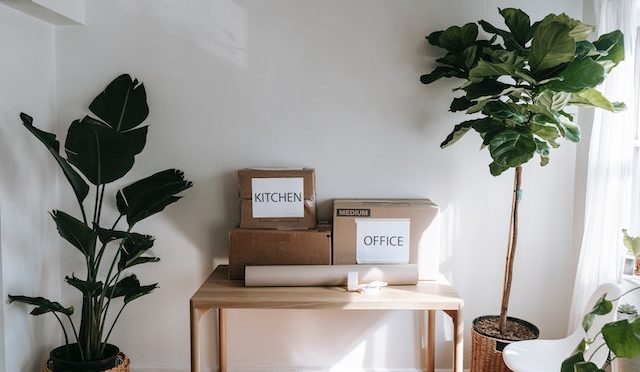
Cardboard boxes labeled 'kitchen' and 'office' on a table in a bright room with a large leafy plant.

Embracing the South Florida Lifestyle

The Harmony of History and Modernity

South Florida isn’t just about embracing the new; it’s also about appreciating the past. Museums and historical sites like the Vizcaya Museum and Gardens offer a journey through time, revealing the region’s rich history and architectural splendor.

Well-being and Leisure: From Yoga to Spas

The lifestyle in South Florida promotes balance and well-being with an abundance of yoga classes and wellness retreats. Whether it’s a spa day or a yoga session by the beach, relaxation is never far away.

The Allure of Retail: Shopping in South Florida

Markets, Boutiques, and Luxury Districts

Shopping is an experience in South Florida, from bustling local markets and unique boutiques to luxury shopping districts. These retail havens offer a variety of options, ensuring that every shopper’s taste is catered to. Moving to South Florida means access to these diverse retail districts and boutiques. These shopping havens are perfect for fashion enthusiasts.

Nightlife and Live Entertainment: The Vibrant After-Dark Scene

As the sun sets, South Florida’s nightlife takes center stage. The region boasts a variety of clubs and bars, as well as theaters and live performance venues, offering endless entertainment options.

Final Words

South Florida, a region rich in culture and recreation, offers much more than just its stunning beaches. Those considering moving to South Florida will find plenty of art, music, delicious food, and wellness opportunities. This area caters to a diverse range of interests and lifestyles. It’s a place where everyone can find something to love regardless of their hobbies or passions.

5 Tips to Consider When Moving to Miami

Miami is a wonderful city to live and raise a family. From the rich history to the abundance of opportunity, the city is a top moving destination. However, it does have its unique qualities that take a bit of getting used to.

Fortunately, we have some excellent advice to help create a fun and easy acclimation to this great city.

Here are five tips for a smooth Miami move.

Stay Organized with Checklists

Moving is stressful. From planning to packing to driving, there is always something happening. Save yourself some of the burden and create a thorough moving checklist.

Be sure to start well in advance of your move date. You want to give yourself plenty of time to finish all the tasks. Every move is different, but there are always major aspects of a move essential to the task. Doing so in the right order will save you time, effort, and even money. 

Some of the most common moving tasks include:

  • Research: This is the time to learn about your destination. Look at school districts, crime statistics, and other important aspects of a city. Start this several months before the move.
  • Planning: Two months before the move, make a plan. Create a timeline for your move, including house repairs, utility shut-offs, and packing schedules.
  • Engagement: During the actual packing and moving, have a checklist to ensure your stuff stays safe. Color code your boxes, keep rooms together, and number each box for high visibility and easy monitoring.

To keep the family engaged, provide them with personalized checklists and schedules. Be sure to set them in charge of different sections of the checklist. Keep it fun and engaging, but on-task. Following a checklist ensures that everyone is ready when moving day arrives.

Learn About the Local Communities Before Moving

Miami and the surrounding communities are a unique gem of the country. Steeped in history and culture, there is plenty to take in. Don’t wait until you move to understand the soul of your new home. Get started early, even before the move.

Take the family on a roadtrip to Miami. Go to the several attractions around the area, and South Florida as a whole. Learn the stories and history of your new home, and get to know it a bit better. This helps the entire family feel at home much quicker. 

Moving to Miami also means moving to the nearly 40 unique communities of Greater Miami. There is much to learn and discover, and not nearly enough time before a move. Instead, focus on areas of importance. For instance:

  • Look for school systems that best match your child’s needs.
  • Discover the cultural hearts of the city, such as Little Haiti and Coral Gables.
  • Search for the high-traffic commerce centers to power your career, like Brickell and Key Biscayne.

If you can’t make a trip before the move, take the time and study the neighborhoods important to you. Take virtual trips and brush up on your cultural lessons. From Aventura to Wynwood, immerse yourself in the vast vibrancy of Miami; it will make the move easier.

Hone Your Spanish Skills

While you’re studying your future stomping grounds, set aside some time to learn basic Spanish. 

Miami is a city full of diversity. However, with more than 70% of the population identifying as Hispanic or Latino, Spanish is a handy language to understand. Indeed, many neighborhoods throughout the greater city area are Spanish hubs of the country.

The Cuban heritage is particularly vibrant within Miami. In fact, 60 percent of the Hispanic population in Miami are Cuban Americans. Such a rich heritage deserves immersion. Taking a stroll through Little Havana is much more fascinating when you understand the language around you. 

The rest of the city is no different. The language and the culture is rich throughout the entire community. From top restaurants to terrific parks, understanding Spanish unlocks tremendous opportunities for anyone living in Miami.

Look for Local Discounts

Moving is expensive, ranging from $900 to nearly $6,000 for out-of-state moves. Therefore, finding ways to save money is essential.

First, look for discounts. Military veterans, older adults, and teachers have many discounts to choose from, including:

  • Savings on professional packers and movers.
  • Truck rental discounts.
  • Recycled or low-cost packing supplies.

Consider finding ways to combine packing, like wrapping your dishware in soft clothing. Or, ask friends and family for unused boxes they might have. Any way to save money will help your move.

Prepare for the Weather

Miami has great weather—except for when it doesn’t. With a tropical climate, summers are comfortably hot, and winters are perfect. However, the yearly monsoon season brings heavy storms and hurricanes. In other words, Miami has some crazy weather.

Moving to the area may be a bit of a shock for those unused to the weather. The high humidity all but requires a home with an air conditioner. And get used to humidity. 

You should also prepare for power loss from storms. Backup generators provide some help but have a plan in case of hurricanes and flooding.

Miami has a beautiful climate. Just be sure to take the time and get used to the common local signs of changing weather. It will help you stay prepared for sudden offshore storms.

Final Thoughts

Miami is a great place to live and raise a family. Moving to the area is exciting and worthy of celebration. Still, we researched these tips to ensure your move is smooth and as painless as possible.

Start an organized checklist for every step of the move—and follow it! Take trips to study the local areas before you move. Brush up on your Spanish for the best Miami experience. Look for discounts on packers, movers, and trucks to reduce some costs. Lastly, make sure you’re ready for Miami’s weather. An umbrella is always handy in South Florida. 

Moving to Miami from New Hampshire: How to Prepare

Moving to Miami from New Hampshire can be very exciting, depending on why you’re moving. However, any move must be planned carefully, especially over such a long distance. After all, there are many moving parts to keep in mind when moving, and ignoring them can lead to problems. However, if you know what you’re doing, you’ll be able to relocate without any issues. All it takes is some careful preparation and research, and you won’t have anything to worry about. To help you out, we’ve put together a guide on preparing to move to Miami from New Hampshire.

Budget for the move

Moving can get very expensive, especially when moving long distance. You will have to budget for moving supplies, hiring movers, utilities, and so on. Additionally, make sure to research hidden costs involved in moving. The last thing you want is to get blindsided by a hidden cost during the moving process. So, do some research into how much the move will cost, and leave yourself some wiggle room as well. Planning for hidden costs is essential, but you must also consider accidents. You never know if something will go wrong, and having extra money on hand, just in case, is an excellent idea. Additionally, keep in mind that living in Miami is more expensive than living in New Hampshire. So, set aside some funds for the first few weeks in the home as well. Then you can worry about how to make friends after moving to Miami.

A person holding cash.

Look for reliable movers early

When moving to Miami from New Hampshire, you’ll need experience movers you can trust to get your belongings there. After all, it’s incredibly easy for your belongings to get damaged if you’re not careful about interstate moves. As such, hiring a quality team to help you out is your best choice. Relying on professionals who know how to ensure nothing happens to your items in transit will always be the safest way. However, finding good and trustworthy movers can take a while, so you should start your search early in the process. You want to ensure that you’ve already found and booked your movers by the time you’re ready to move. Leaving this search to the last few weeks is a bad idea, as you likely won’t have time to properly research your movers before hiring them, so start your search early.

Plan on time

The main part of successfully moving to Miami from New Hampshire is planning on time. By this, we mean as soon as you know you’re going to move, you should start planning. After all, the sooner your plans are laid out, the more time you have to go through them. This is especially important for long distance moves, as you want to make sure nothing goes wrong. Planning early also allows you to organize everything better. And, if you happen to forget something, you will likely have time to finish everything anyway. So, start planning as soon as possible, and keep track of your tasks. Additionally, if you’re moving to Miami with kids, keep in mind that there are extra steps you will need to take care of. Remember, your plan should be as thorough as possible to be successful.

Planner on a table.

Declutter and pack early

Anyone advising on moving will tell you that packing is the longest part of the entire process. And while this is true, decluttering is just as important and makes packing much more manageable. So, take the time to review your belongings and decide what you’ll take with you. Decluttering can be difficult if you have a lot of sentimental attachments, but it’s an integral part of moving out. A good rule of thumb is the one-year rule: if you haven’t used something in over a year, you don’t need it. Experts from mybrooksmoving.com note that it’s much easier and cheaper to move after a thorough declutter. And when it comes to packing, remember to set aside some daily time for it. You don’t have to pack everything in one day, but you should aim to be done packing at least a week before the move.

Get your scheduling done on time

There are many things to schedule when it comes to a move. Booking your movers is only one of these. You also have to consider scheduling the utilities in your new home so they’re already active when you arrive. Additionally, you need to schedule the shut-off for utilities in your old home. After all, the last thing you want is to arrive at your new home and realize that you don’t have water or electricity. Also, remember to change your address with all relevant authorities and forward your mail to your new address. All of these should be scheduled ahead of moving day. And when you’re done preparing everything necessary, you can start thinking about what to do when you arrive. For example, if you have a dog, you can begin to consider the fun things to do with your dog in Miami.

empty planner on the table.

Moving to Miami from New Hampshire: how to prepare – wrap up

An interstate move can be a challenging undertaking. There are many things to plan and carry out, and you never know when something might go wrong. As such, it’s imperative to understand how to approach the process in the best way possible. That said, if you give yourself enough time to plan your time and work things out properly, you likely won’t run into any issues. Still, being careful and focusing on the right things can significantly help in the long run. All in all, as long as you know what to pay attention to, you’ll be fine at the end of the day. We hope that this guide to moving to Miami from New Hampshire: how to prepare helps you successfully prepare for your move, and we wish you a good day.